Our story
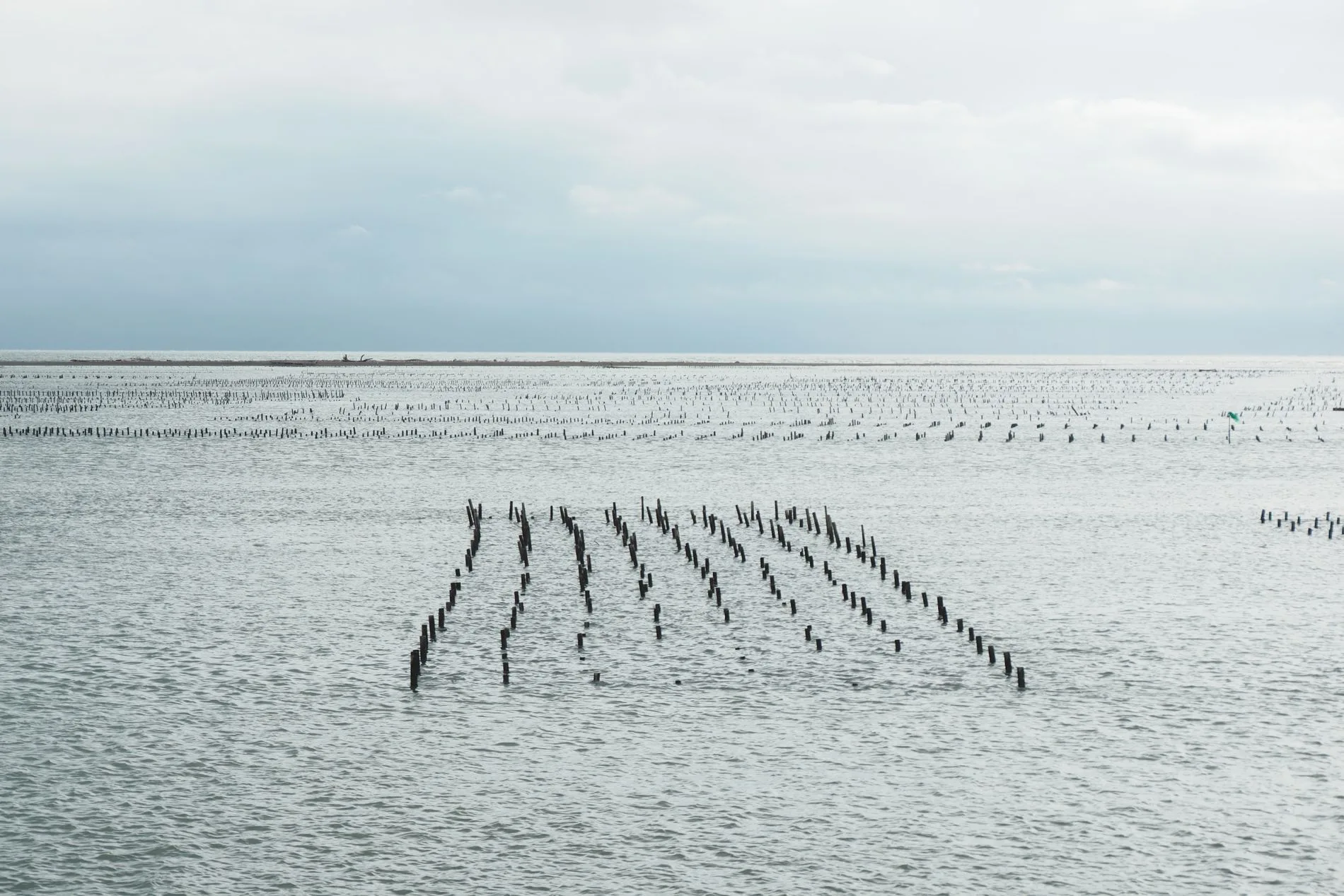
Twenty-five years of shellfish aquaculture on one of the most productive marine ecosystems in the world — from a borrowed room in Walvis Bay to Namibia’s reference hatchery.
Beira Aquaculture combines scientific knowledge, practical experience and continuous innovation to produce high-quality shellfish seed under Namibian conditions.
Founded at the beginning of the new millennium with a clear vision: to develop hatchery technology capable of producing shellfish seed locally, and to support the long-term growth of Namibia’s emerging aquaculture industry. At a time when local farmers relied almost entirely on imported seed, that was the country’s greatest technological challenge — and its greatest opportunity.
A historic milestone
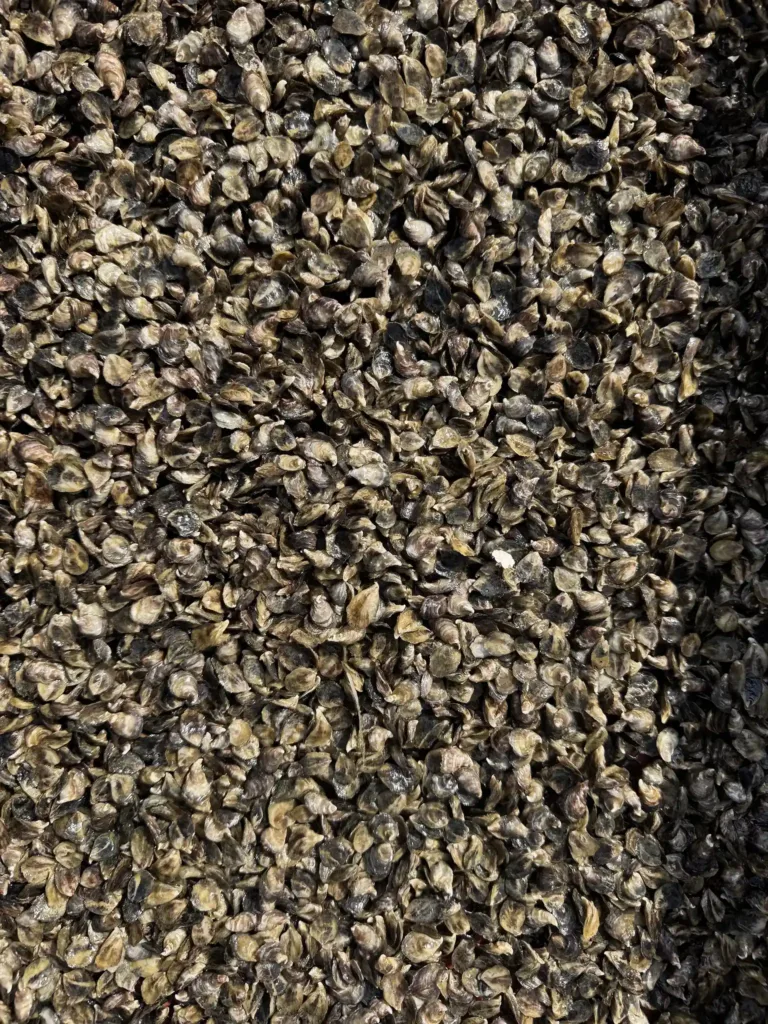
In July 2004, Beira Aquaculture reached a milestone that would become part of Namibia’s aquaculture history. The company successfully produced oyster spat locally, becoming the first commercial oyster hatchery in Southern Africa.
The achievement was featured by The Namibian, which highlighted the success of the hatchery and the work led by Manuel Romero. The article explained that local production of oyster seed would reduce dependence on imports and provide a sustainable future for Namibia’s oyster farming industry.
READ THE ARTICLE →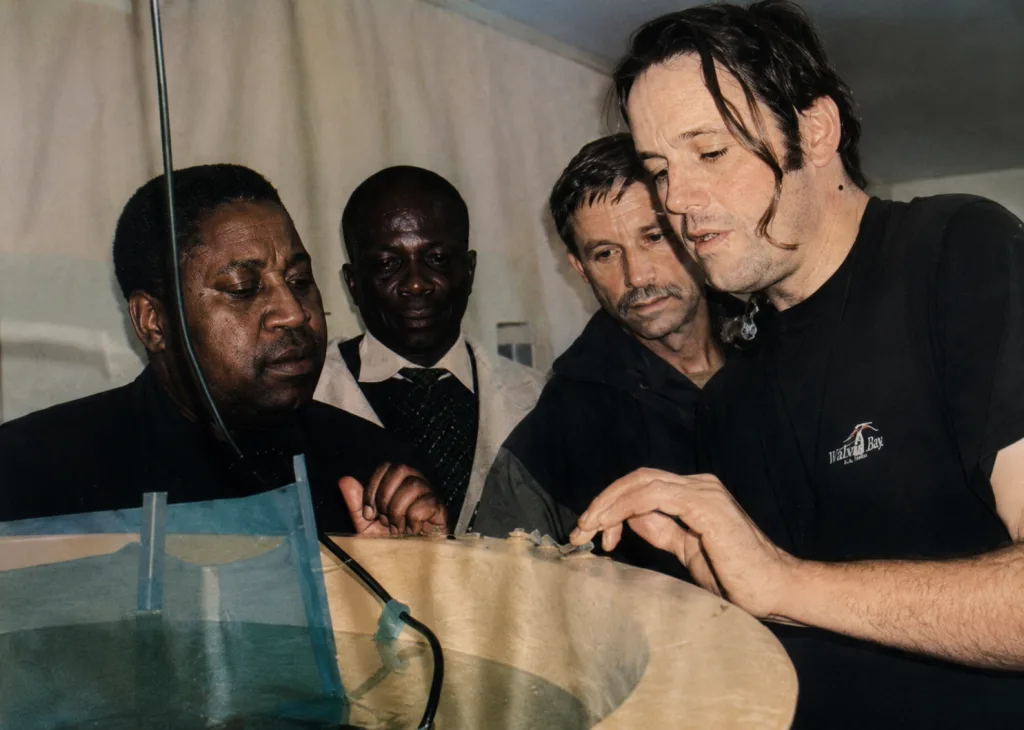
Recognition by the Government of Namibia
The success of the hatchery quickly attracted national attention. The Honourable Dr. Abraham Iyambo, Minister of Fisheries and Marine Resources, visited the hatchery with senior officials and aquaculture specialists to observe the technology developed by the company.
The visit was official recognition of a pioneering contribution to the sector, and of hatchery production as the foundation of a sustainable shellfish industry.
The rearing of local oyster spat has been successfully developed by Beira Aquaculture. Extensive research and development by this pioneering company has led to the present successful commercial operation.
Ministry of Fisheries and Marine Resources, Annual Report · 2008
Moving to Swakopmund
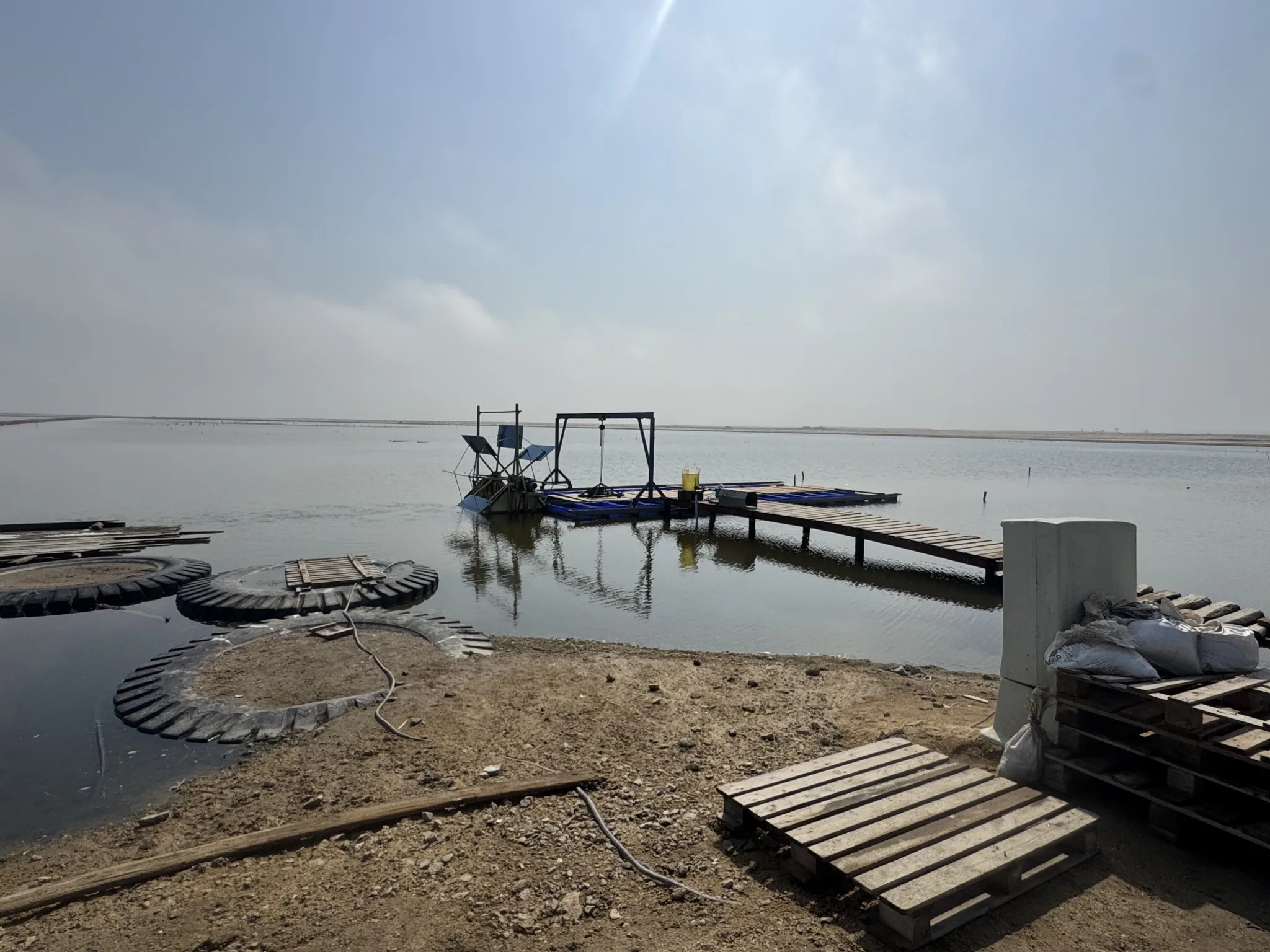
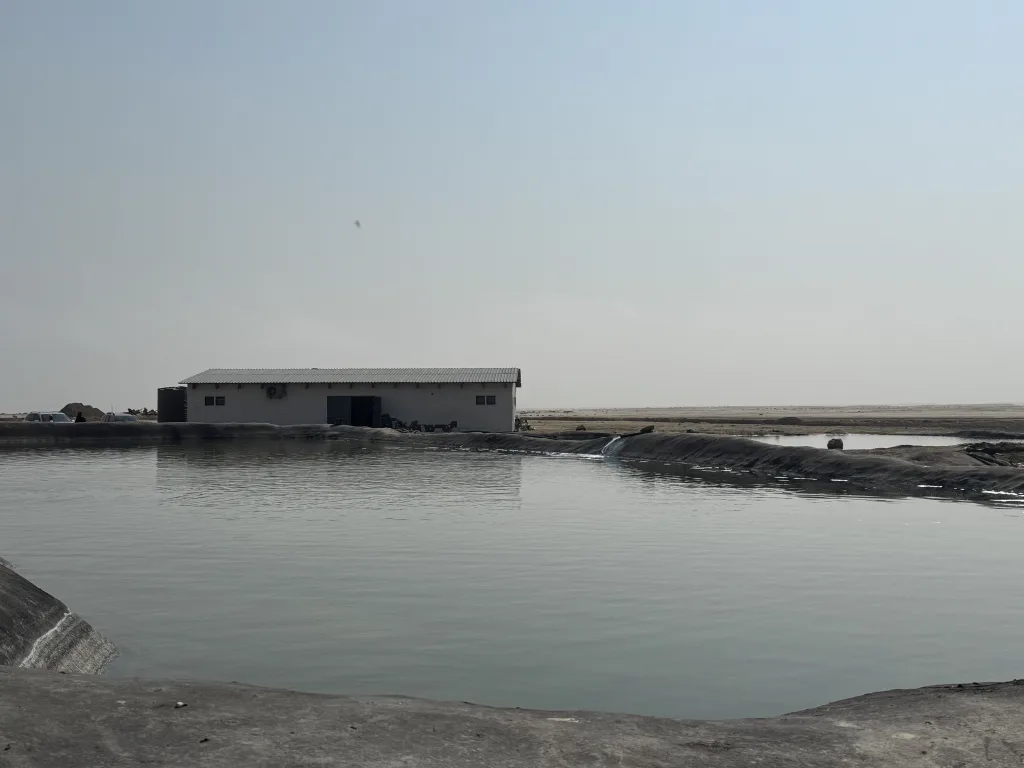
As the company continued to grow, Beira Aquaculture relocated its hatchery to the Salt Works of Swakopmund, where larger facilities allowed further expansion of production capacity and research activities.
Today, the hatchery operates in collaboration with Richwater Oyster Company, benefiting from direct access to high-quality seawater and one of the most favourable environments for shellfish production anywhere in the world.
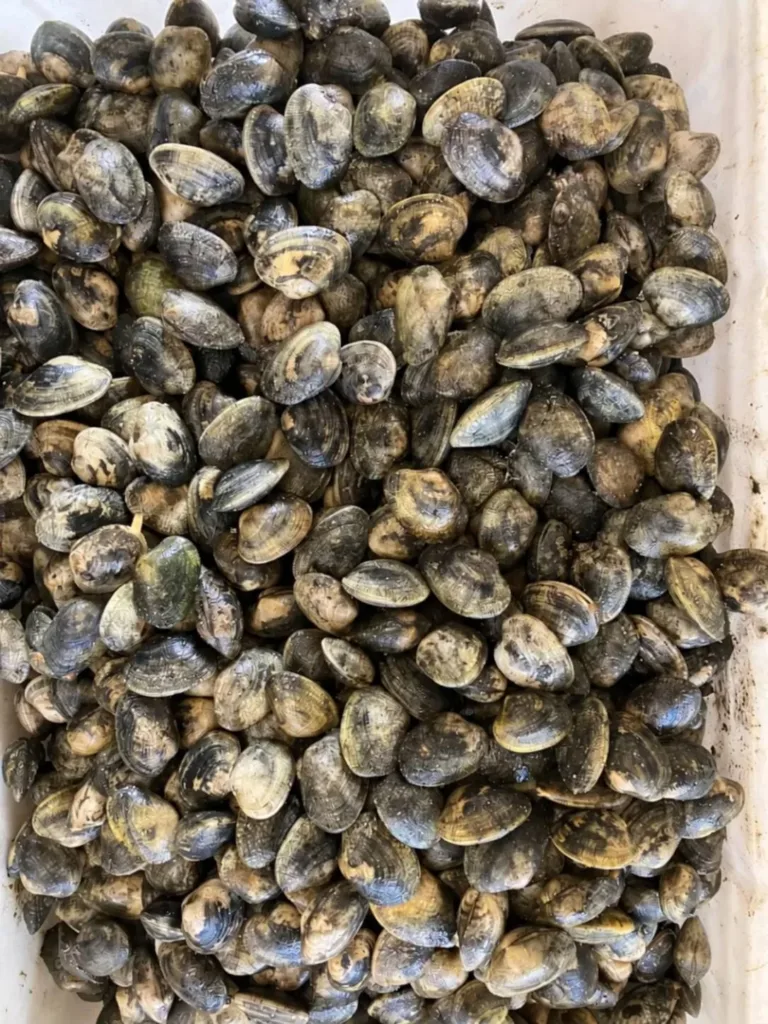
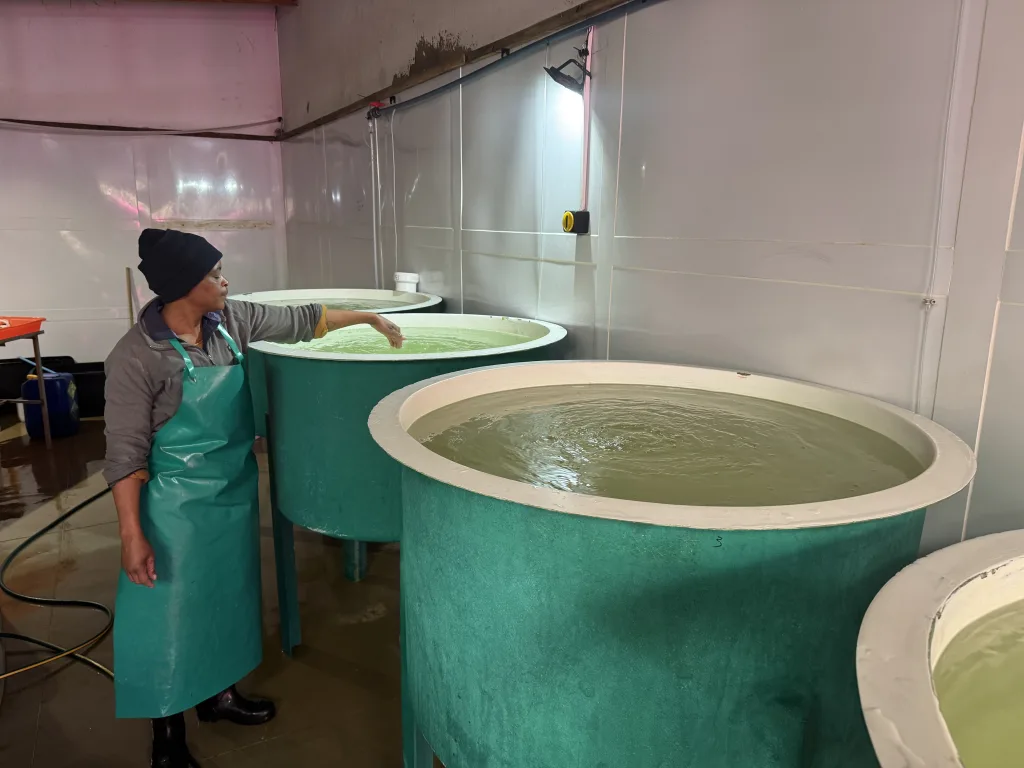
The current facilities include broodstock conditioning systems, microalgae production laboratories, larval rearing units, nursery systems and outdoor ponds designed for the production of oyster, clam and scallop seed.
Innovation through experience
Over more than twenty years, the company has continuously improved every stage of shellfish production.
This continuous process of research and development has enabled the company to adapt its technology to Namibia’s unique marine environment while maintaining high standards of quality and biosecurity.
- Broodstock conditioning
- Microalgae production
- Larval rearing
- Nursery systems
- Upwelling technology
- Paddle wheel nursery systems
- Floating grow-out technology
- Shellfish seed production
Research & Institutional Collaboration
Advancing aquaculture through research, knowledge and experience
Beira Aquaculture has contributed to the development of aquaculture in Namibia through applied research, university-level studies, technical consultation and the development of local hatchery capabilities.
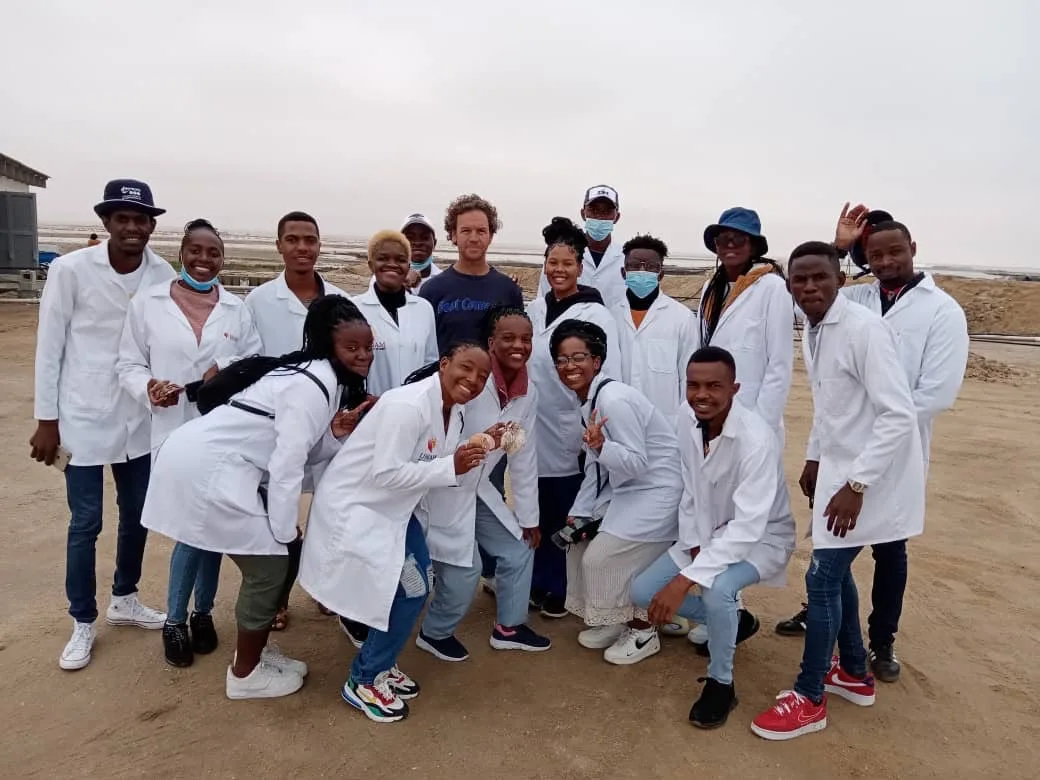

University of Namibia (UNAM)
University-level aquaculture research was conducted directly at Beira Aquaculture's hatchery in Swakopmund. In 2011, a UNAM Fisheries and Aquatic Science project used newly spawned Pacific oyster larvae to study different microalgal diets.
Documented academic use | 2011
Ministry of Fisheries and Marine Resources
Namibian government reporting recognised Beira Aquaculture's pioneering research and development in local Pacific oyster spat production, and its progression into a successful commercial hatchery operation.
Government recognition | 2008
Namibia Marine Aquaculture Master Plan
The 2012 Draft Master Plan identifies Beira Aquaculture as an established oyster hatchery in Swakopmund, established in 2007, with a stated production capacity of 20 million oysters per annum.
Established 2007 | Swakopmund | Stated capacity: 20 million oysters/year
United Nations University Fisheries Training Programme
Beira Aquaculture's technical experience contributed to wider aquaculture studies in Namibia. Manuel Romero, Manager of Beira Aquaculture, was listed among the experts consulted for a feasibility study on mass production of silver kob.
Documented technical consultation | c. 2011-2012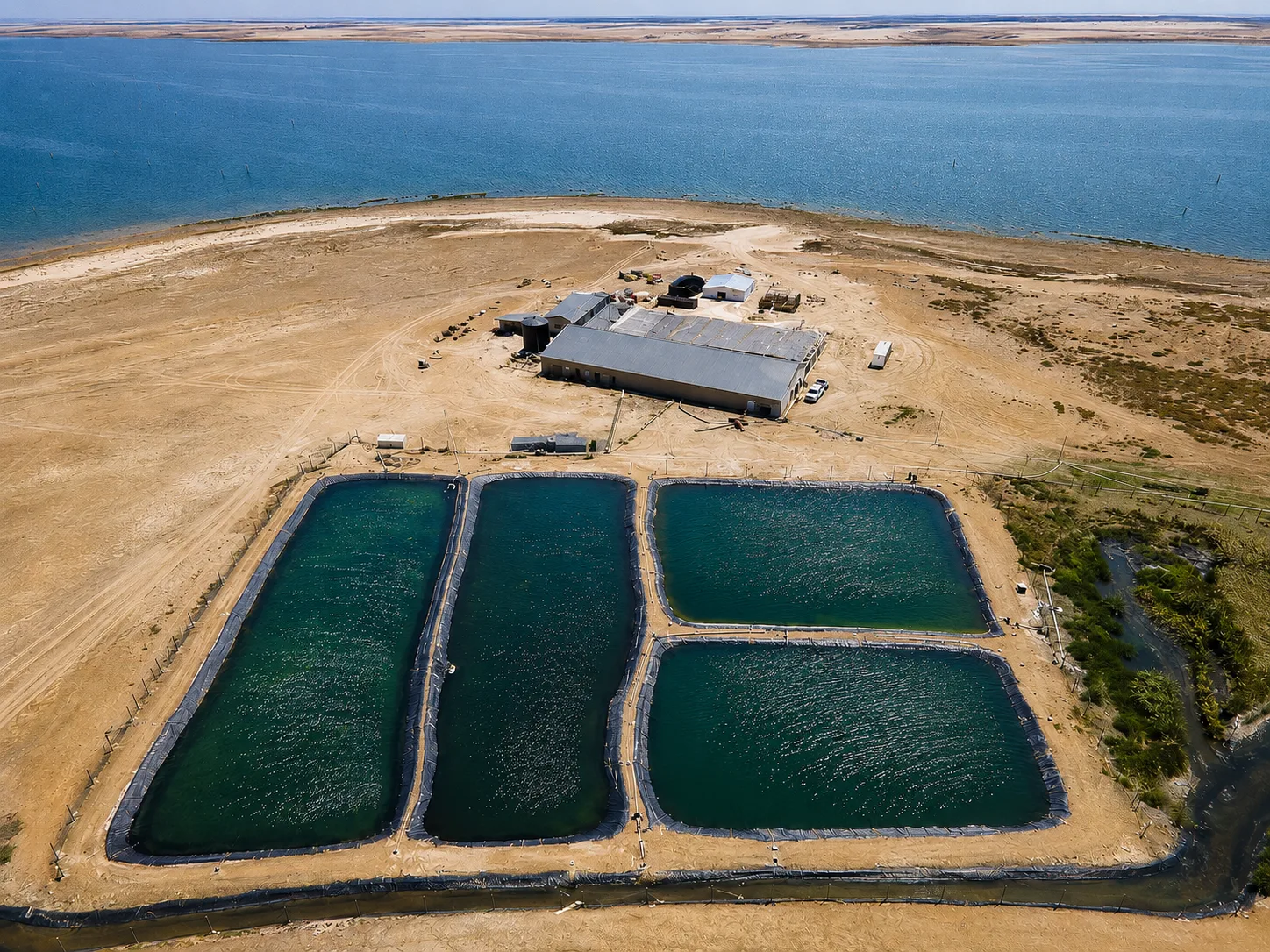
Looking ahead.
Although our facilities have evolved significantly since those first experimental tanks at Gendev Fishing, our mission remains unchanged. We believe sustainable aquaculture begins with healthy seed, sound science and respect for the marine environment.
Every generation of shellfish we produce reflects more than two decades of experience, continuous learning and a commitment to the future of aquaculture in Namibia and beyond.